
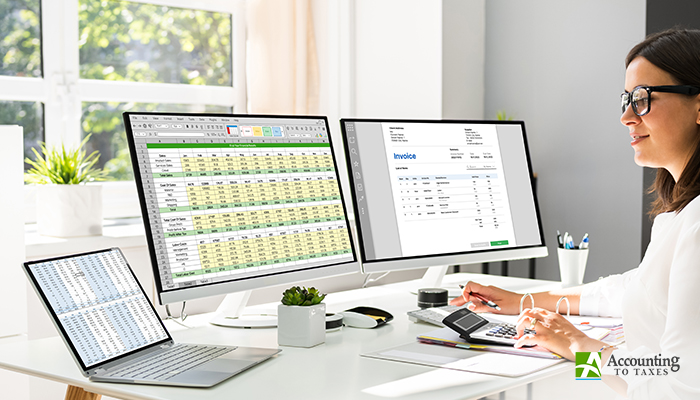
For CPA firms and growing businesses, tax season is not a question of whether software is in place. Nearly every firm already relies on professional tax preparation systems. The real pressure lies elsewhere: managing rising return volumes, maintaining review accuracy, and meeting compressed filing timelines without increasing operational risk.
Tax preparation complexity continues to expand. Multi-state filings are standard for many clients. Business entities operate through layered ownership structures. Individuals report diversified income streams that require careful reconciliation. At the same time, regulatory scrutiny remains high, and clients expect faster turnaround with consistent accuracy. In this environment, tax software for tax preparers functions as a central operational platform that influences workflow control, compliance confidence, and staff capacity.
The challenge for CPA firms is rarely selecting software for the first time. It is determining whether the current system truly supports firm growth, multi-entity coverage, diagnostic reliability, and peak-season scalability. Many platforms promise efficiency and competitive pricing, but professional evaluation requires a deeper assessment of how the software performs under real workload conditions.
This guide provides a structured overview of tax software for tax preparers, focusing on how CPA firms and businesses can evaluate their existing systems, identify operational gaps, and determine when software alone may not be sufficient to support long-term growth and compliance stability.
What Professional Tax Preparers Should Expect From Modern Tax Software
Most CPA firms already operate on established tax preparation systems. The real question is whether those systems strengthen operational control during peak season, reduce review bottlenecks, and support firm growth without increasing compliance exposure. Professional tax software should not merely complete returns; it should reinforce accuracy, scalability, and internal discipline.
1. Comprehensive Entity and Filing Coverage
A professional system must support the full spectrum of returns that CPA firms manage, including individual, partnership, and corporate filings across multiple states. Incomplete coverage creates workflow fragmentation, forces manual adjustments, and increases the likelihood of oversight.
Strong entity coverage ensures that firms can manage client diversity without shifting between platforms or compromising review consistency.
2. Diagnostic Depth and Review Controls
Tax software serves as a first line of defense against errors. Layered diagnostics, real-time validation, and structured preparer–reviewer workflows reduce rejection rates and minimize downstream corrections.
When diagnostic tools are weak, senior staff must compensate through manual review, which slows turnaround and increases internal strain during high-volume periods.
3. Filing Stability and Regulatory Responsiveness
Reliable IRS Modernized e-File integration, timely regulatory updates, and accurate state compliance modules are fundamental expectations. Delays or instability during filing season directly affect client confidence and the timing of revenue.
Professional tax software should efficiently absorb regulatory changes so that firms are not forced to react to updates at the last minute.
4. Scalability Under Peak Volume
As client bases expand, systems must handle increased return volume without performance degradation. Multi-user access, permission controls, centralized management, and batch processing become essential for maintaining order.
Software that performs adequately for a small practice may introduce friction as staffing and workload increase.
5. Cost Structure That Reflects Growth
Professional tax preparation software typically offers pay-per-return, tiered, or unlimited filing models. The appropriate choice depends on projected return volume, entity complexity, and long-term growth strategy.
Evaluating pricing without considering operational scale often leads to higher effective costs over time.
When these elements align, tax software supports firm efficiency and compliance discipline. When they do not, firms experience review delays, seasonal bottlenecks, and preventable risk exposure.
The global tax management software market was valued at USD 20.26 billion in 2025 and is projected to reach USD 56.02 billion by 2034, growing at a CAGR of 11.80%.
Overview of Leading Tax Software Platforms
Tax software platforms serve different market segments. Some are designed primarily for individual filers, while others are structured specifically for professional tax preparers and CPA firms. Understanding this distinction is essential before evaluating features or pricing.
Below is an overview of widely used platforms and how they typically align with CPA firms, businesses, and individual taxpayers.
H&R Block
H&R Block Online is primarily designed for individual taxpayers and self-employed filers. While it offers access to human tax professionals and guided filing assistance, it is not structured as a multi-client professional platform for CPA firms.
Key Features
- Guided online filing for individual and self-employed returns
- W-2 upload functionality via mobile
- Optional live professional assistance
- Federal and state filing support
- Tier-based pricing models
Best Fit
- Individual taxpayers
- Self-employed individuals
- Small businesses with simple filing structures
Limitation for CPAs
- Not designed for managing multiple client returns
- Limited workflow controls for professional firms
Intuit TurboTax
TurboTax is widely recognized for its user-friendly interface and guided filing experience. It is primarily built for individuals and small business owners rather than professional tax preparers managing multiple clients.
Key Features
- Intuitive guided filing workflow
- W-2 and 1099 data imports
- Mobile and desktop access
- Tiered product versions (Deluxe, Premier, Self-Employed)
- Optional paid support upgrades
Best Fit
- Individual taxpayers
- Freelancers and gig workers
- Small business owners filing their own returns
Limitation for CPAs
- Not intended for multi-client professional practice
- Limited batch processing and firm-level controls
Drake Software Drake Tax
Drake Tax is a professional-grade tax preparation platform used by many small and mid-sized tax practices. It supports a broad range of federal and state filings and is structured for multi-client management.
Key Features
- Support for individual and business entity returns
- Multi-client management dashboard
- Strong diagnostic tools
- Batch e-file processing
- Performance stability during peak filing periods
Best Fit
- Small to mid-sized CPA firms
- High-volume 1040 practices
- Firms managing mixed individual and business returns
Consideration
- May require onboarding time for new users
- Support response may vary during peak season
TaxSlayer Pro
TaxSlayer Pro offers a professional version of its platform tailored for tax preparers. It emphasizes straightforward pricing and web-based accessibility.
Key Features
- Cloud-based access
- Multi-user functionality
- Federal and state filing support
- Diagnostic validation tools
- Tiered and unlimited filing options
Best Fit
- Small tax practices
- Firms seeking simplified licensing
- Preparers operating remotely
Consideration
- May lack some advanced enterprise-level features
Intuit ProSeries Professional
ProSeries Professional is specifically designed for tax professionals and CPA firms. It supports diverse entity types and integrates with accounting systems, making it suitable for practices managing both tax and bookkeeping clients.
Key Features
- Extensive support for 1040, 1065, 1120, and 1120S
- Integration with accounting data systems
- Federal and state e-file tracking
- Structured preparer–reviewer workflows
- Tier-based and unlimited filing options
Best Fit
- CPA firms managing mixed entity portfolios
- Practices requiring accounting-to-tax integration
- Firms seeking structured review control
Consideration
- Higher licensing cost compared to entry-level platforms
Wolters Kluwer ATX Tax
ATX Tax is a modular professional tax software platform designed for tax preparers who require flexibility across return types and volume levels.
Key Features
- Modular licensing packages
- Broad federal and state form coverage
- Advanced diagnostics
- Pay-per-return and bundled pricing options
- Support for specialized filings
Best Fit
- Growing tax practices
- Firms expanding into business entity filings
- Preparers requiring customization flexibility
Consideration
- Pricing may increase as modules expand
- Learning curve for new users
TaxAct Professional
TaxAct Professional is structured for cost-conscious tax preparers. It provides essential filing capabilities without extensive enterprise-level workflow layers.
Key Features
- Federal and state filing support
- Simplified interface
- Tier-based pricing
- Support for common individual and business forms
Best Fit
- Smaller practices
- Preparers focused on standard returns.
- Firms prioritizing affordability
Consideration
- May not provide advanced diagnostics required for complex multi-entity firms
FreeTaxUSA
FreeTaxUSA is designed primarily for individual taxpayers and simple business filers. It is not built as a professional multi-client platform for CPA firms.
Key Features
- Free federal filing
- Low-cost state returns
- Support for common schedules (C, D, E)
- Audit assistance options
Best Fit
- Individual taxpayers
- Simple self-employed returns
Limitation for CPAs
- Not structured for professional firm management
- Limited multi-client control capabilities
Which Tax Software Delivers the Best Operational Impact for Professional Preparers?
When evaluating tax software through the lens of professional use — where operational efficiency, review accuracy, scalability, and compliance control matter more than interface bells and whistles — a few platforms consistently deliver a stronger impact for CPA firms and professional preparers.
Below is a summary of operational impact by platform, highlighting which software provides the most value in a professional context.
Best Overall for Professional Tax Preparers: Drake Tax
Why It Has the Strongest Operational Impact
High-Volume Efficiency: Drake’s batch e-filing capabilities and performance stability during peak season significantly reduce turnaround time.
Diagnostic Strength: Its robust diagnostic engine catches errors early, reducing rework and late corrections.
Scalability: Designed to handle both individual and business returns across a mixed client base.
Multi-Client Management: Centralized dashboard and workflow controls keep teams aligned and reduce review friction.
Predictable Cost Structure: Competitive pricing per return and licensing options help firms budget effectively.
Impact Summary
Drake improves throughput, minimizes rework cycles, and supports firm growth without adding an excessive internal workload. For small and mid-sized CPA firms managing diverse returns, it offers a balance of capability and cost.
Best for CPA Firms with Complex Portfolios: Intuit ProSeries Professional
Why It Delivers Strong Value
- Broad Entity Coverage: Supports individual, partnership, corporate, and S-corp returns with deep form functionality.
- Workflow Integration: Structured preparer–reviewer paths improve internal quality control.
- Accounting System Integration: Data imports reduce manual entry and reconciliation work.
- Scalability: Reasonable licensing options for growing practices.
Impact Summary
ProSeries drives efficiency for firms with a wide range of entities and complex client structures, particularly where accounting and tax workflows intersect.
Best for Cloud-Friendly or Remote Practices: TaxSlayer Pro
Why Firms Choose It
- Remote Accessibility: Cloud-based access supports distributed teams and seasonal staffing.
- Simple Pricing: Predictable cost structure without heavy enterprise licensing.
- Multi-User Support: Facilitates collaboration without on premise infrastructure.
Impact Summary
TaxSlayer Pro delivers operational flexibility and cost predictability for small to mid-sized practices that prioritize remote access and simplicity over deep enterprise features.
Best Modular Flexibility: ATX Tax
Why It’s Valuable
- Modular Licensing: Firms pay only for what they need, helping control costs.
- Broad Form Support: Extensive coverage supports business client growth.
- Diagnostic Tools: Helps maintain compliance consistency.
Impact Summary
ATX is strong for firms that are expanding their service line portfolios, portfolio by portfolio, rather than committing to a single enterprise suite upfront.
Budget-Friendly Professional Option: TaxAct Professional
Why It Works for Certain Practices
- Lower Cost: Most affordable among professional-oriented tools.
- Simplicity: Easy onboarding and straightforward workflows.
- Adequate Coverage: Supports mandatory federal and state returns for standard practice needs.
Impact Summary
Best for small practices focused on standard returns without high volume or advanced review workflows.
Less Suitable for Professional Firms (but useful for Individuals)
These platforms can reduce cost and support simple client needs, but do not significantly improve firm-level operations:
- H&R Block – Best for individual taxpayers; not designed for multi-client professional workflow.
- Intuit TurboTax – Excellent guided filing for individuals, but limited firm control.
- FreeTaxUSA – Cost-effective for basic returns but not structured for professional management.
Exhibit 1: Comparative Operational Impact of Leading Tax Software Platforms
| Platform | Professional Operational Impact | Best Fit |
| Drake Tax |  |
Small–mid CPA firms with mixed returns |
| ProSeries Professional | |
CPA firms with complex portfolios |
| TaxSlayer Pro | |
Remote or cloud-oriented practices |
| ATX Tax | |
Growing practices needing modular flexibility |
| TaxAct Professional | |
Budget-focused practices |
| TurboTax / H&R Block / FreeTaxUSA | |
Individual or simple business filers |
Common Mistakes CPA Firms Make When Evaluating Tax Software
Even experienced firms can approach tax software decisions tactically rather than strategically. The most common missteps do not stem from technical misunderstandings but from incomplete evaluation frameworks.
1. Prioritizing Licensing Cost over Operational Fit
Many firms focus on upfront pricing without evaluating how the system performs during peak season. A lower subscription cost can be offset by increased review time, additional manual adjustments, or workflow inefficiencies.
Software should be evaluated against return mix, staffing structure, and projected growth — not price alone.
2. Underestimating Return Complexity
Firms sometimes select software based on current client composition without accounting for future expansion into partnerships, corporations, or multi-state filings.
Limited entity coverage can limit service diversification and lead to unnecessary migration later.
3. Ignoring Diagnostic Depth
Not all tax software platforms provide the same level of diagnostic review. Firms that overlook diagnostic strength may face:
Increased rejection cycles
Manual validation burden
Greater reliance on senior reviewers
Strong diagnostics function as a compliance safeguard, not a convenience feature.
4. Overlooking Scalability
Software that supports a small practice effectively may struggle as return volume grows. Firms often delay reevaluation until operational friction becomes visible.
Scalability should be assessed before growth pressures expose limitations.
5. Confusing Individual-Focused Tools with Professional Platforms
Consumer-oriented systems such as H&R Block, Intuit TurboTax, or FreeTaxUSA serve individuals effectively but are not structured for multi-client firm management.
Professional tax preparers require workflow controls, batch processing, and entity-level flexibility that consumer platforms do not typically provide.
Conclusion
Tax software for tax preparers is not a differentiator on its own. Most CPA firms already operate with established systems. The real advantage lies in how effectively those systems are implemented, reviewed, and scaled under pressure.
The difference between a stable tax operation and a strained one is rarely the platform itself. It is the consistency of execution, the strength of review controls, and the ability to manage complexity without overloading internal teams. Software can automate calculations and transmit returns, but it cannot replace disciplined oversight, technical judgment, or seasonal capacity planning.
For CPA firms and businesses aiming to grow without increasing operational friction, the focus must shift from selecting software to optimizing its use. That includes ensuring complex entity returns are handled accurately, review cycles remain controlled during peak periods, and internal teams are not constrained by volume spikes.
At Accounting To Taxes (ATT), we support with tax software for tax preparers. Our team integrates directly into existing tax preparation software for professionals, providing seasonal capacity, complex return handling, and structured review support without disrupting internal systems.